The Science of Peptides: A Longevity Guide

What are peptides?
Peptides are short chains of amino acids, usually 2 to about 50, joined by peptide bonds. When the chain is longer and folds into a complex structure, the molecule is called a protein. The body makes thousands of peptides itself, such as insulin, which regulates blood sugar.
Because they are small and act specifically, peptides interest researchers: some are already approved medicines, while many others are still being studied.
How do peptides work in the body?
Most peptides act as signals. A peptide binds to a specific receptor on the cell surface and triggers a response such as hormone release, tissue repair or a metabolic change. A peptide usually fits only one or a few receptors, so its effect is relatively targeted.
That specificity also means results in animals do not automatically carry over to humans, which is why the level of evidence matters so much.
How do peptides relate to ageing research?
Modern ageing research maps ageing to a set of core processes, including DNA damage, telomere shortening, mitochondrial dysfunction and chronic inflammation (López-Otín et al., Cell 2013). Many research peptides are studied because they touch one of these processes, such as peptides that target mitochondria or take part in tissue repair.
Touching a process in the lab is not the same as extending human life. So far no peptide has been shown to extend human lifespan.
How strong is the evidence for popular peptides?
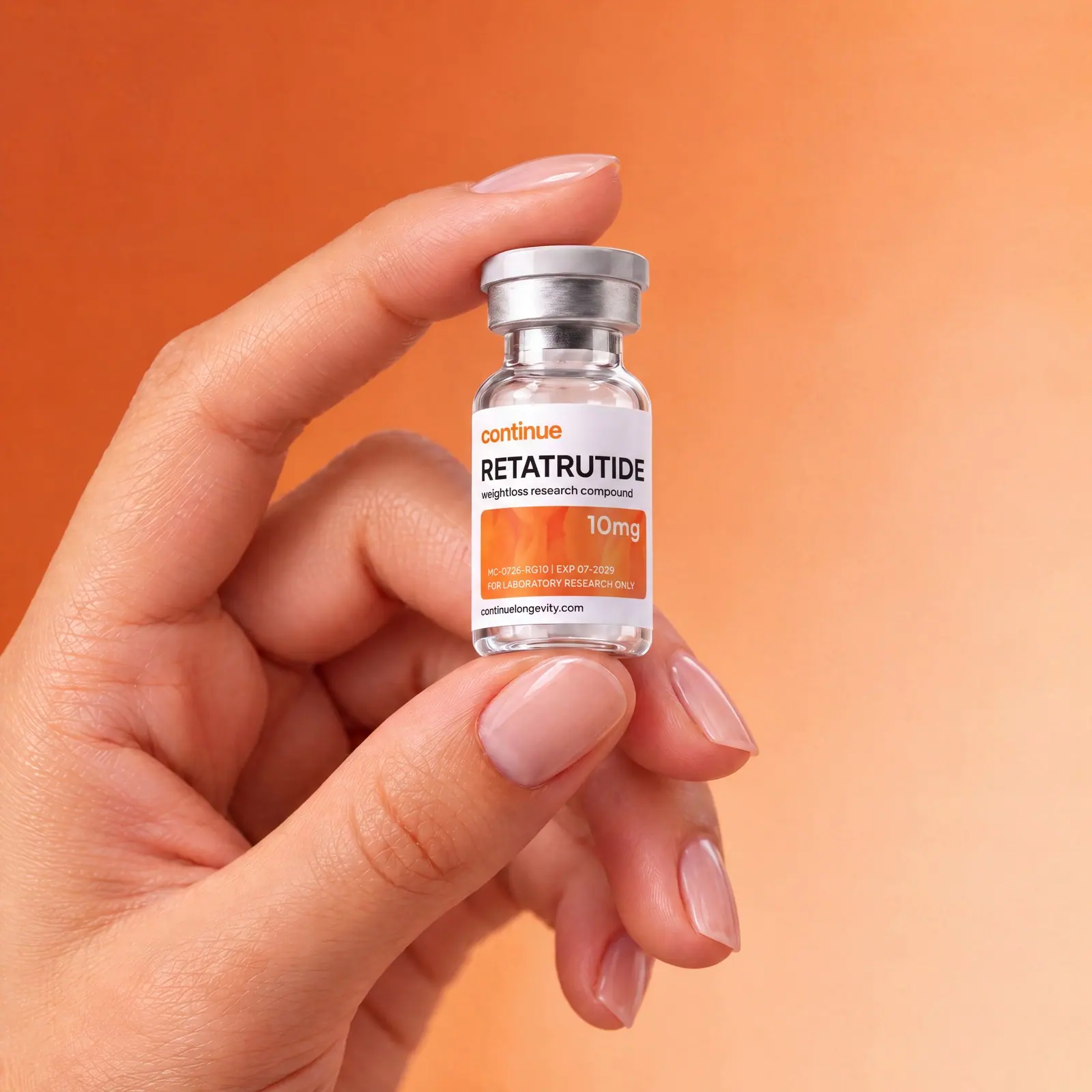
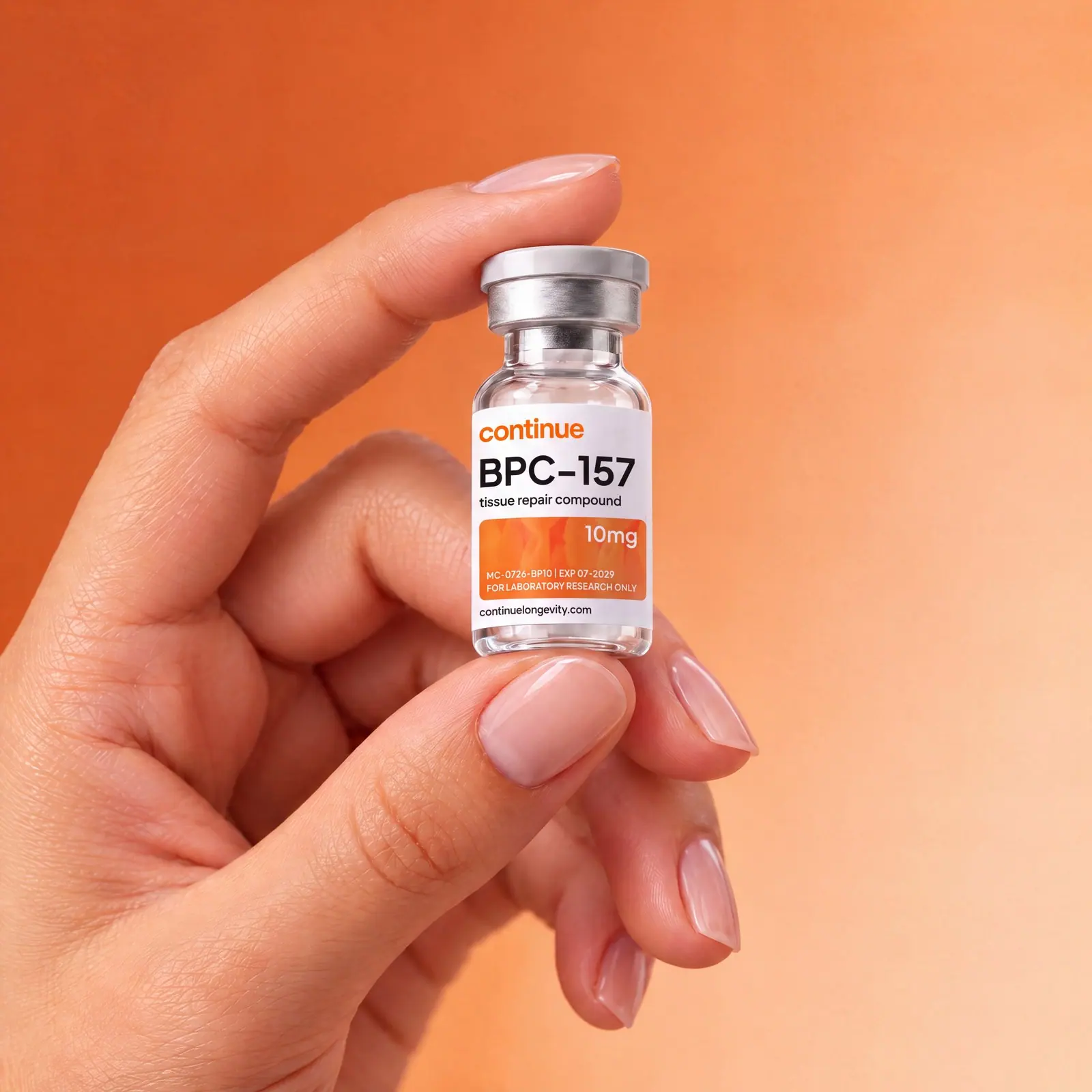
It varies widely. Retatrutide has been tested on thousands of people in randomised trials (Jastreboff et al., N Engl J Med 2023), while BPC-157 has been studied almost only in animals (BPC-157 systematic review, 2025). The table summarises the evidence:
| Compound | Research focus | Current evidence |
|---|---|---|
| Retatrutide | Weight and metabolism | Phase 2 and phase 3 randomised human trials |
| BPC-157 | Tendon, muscle and gut recovery | Almost entirely preclinical (35 of 36 studies in a 2025 review) |
| TB-500 | Wound and tissue repair | Mostly animal studies of full-length thymosin beta-4 |
| GHK-Cu | Collagen and skin | Lab, animal and cosmetic studies |
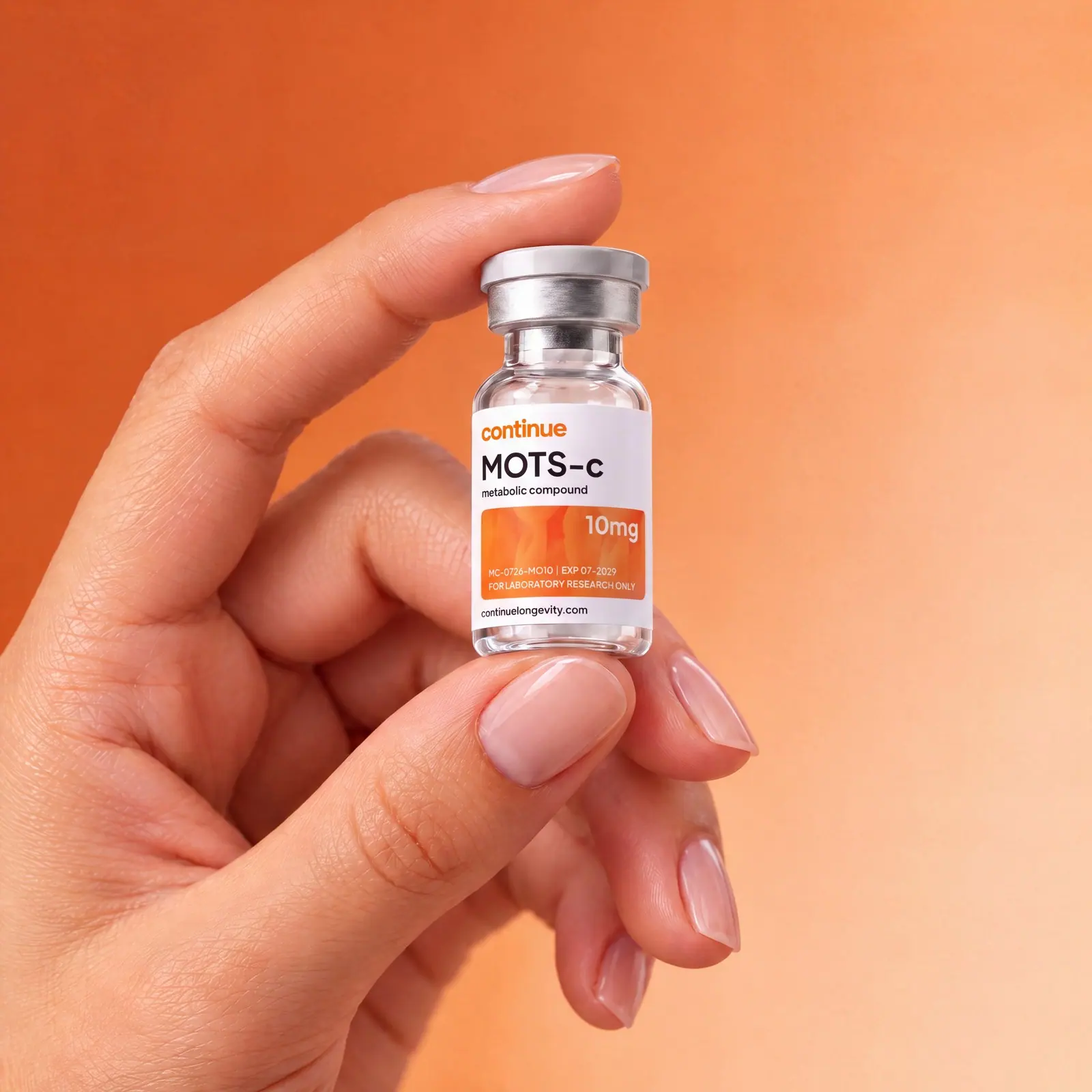
| MOTS-c | Metabolism and cellular energy | Mainly mouse studies |
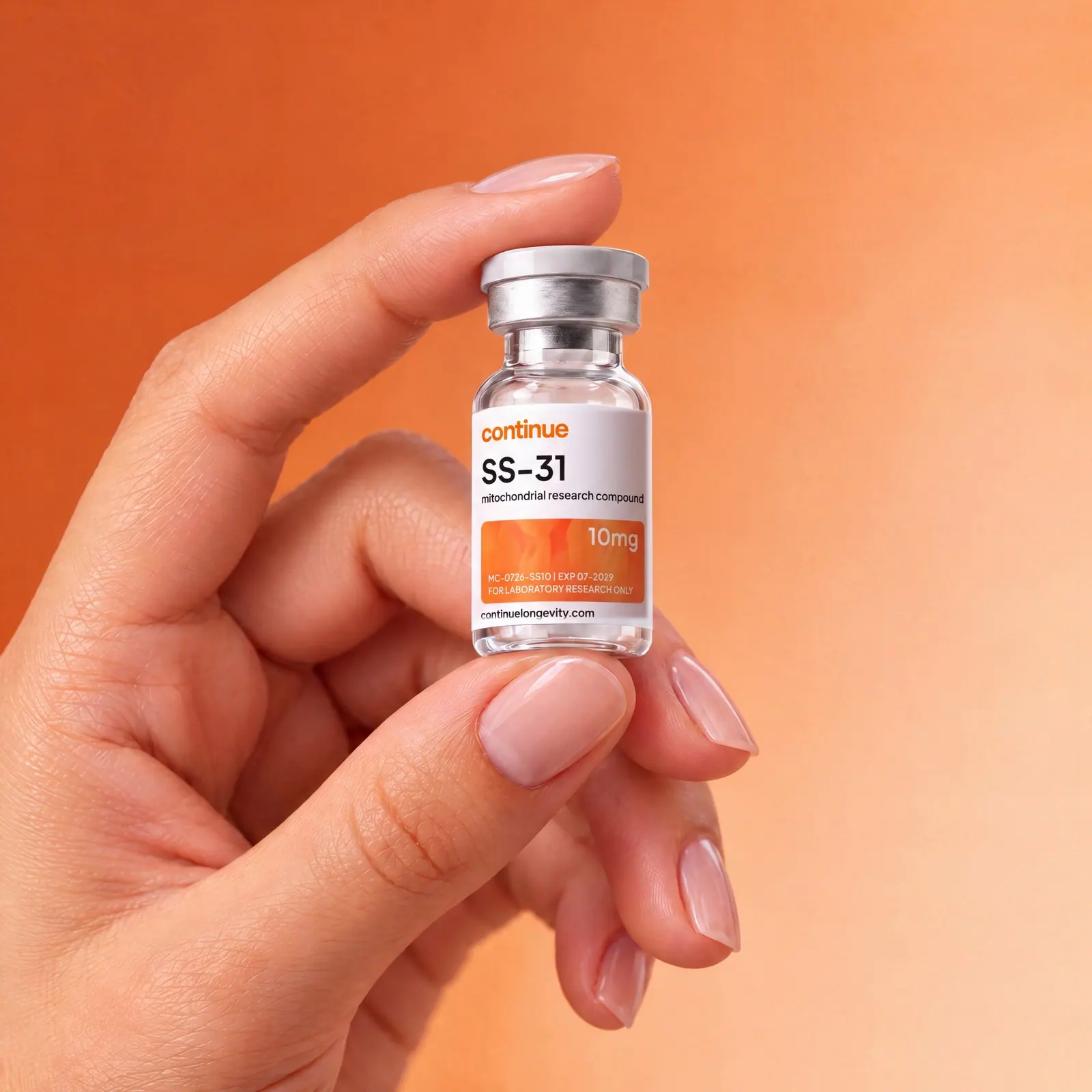
| SS-31 | Mitochondrial function | Animal studies and human trials in mitochondrial disease |
Details and sources for each compound are on the research pages.
What is the difference between research peptides and medicines?
Peptide medicines such as insulin have completed full clinical trials and are approved by regulators. Research peptides have not, or do not, go through that process. In Indonesia research peptides are not registered with BPOM and must not be treated as medicines, so product quality depends on batch testing, shown on the COA.
How to read peptide research critically
- Check the study type. Randomised human trials are far stronger than animal or cell studies.
- Check the sample size. A study of 10 people is not as strong as one of 2,000.
- Look for systematic reviews. They summarise many studies and show where the evidence points.
- Be wary of certain claims. "Proven" for a compound studied only in animals is a red flag.
- Get advice. Talk to a health professional before trying anything.
Which peptides are already approved medicines?
Some peptides have long been used as approved medicines, such as insulin for diabetes and semaglutide for type 2 diabetes and obesity. Both went through staged clinical trials in thousands of people before approval. They show that peptides can be very effective, and also how long the road is from a lab finding to a safe medicine.
Retatrutide, now in phase 3 trials, is an example of a peptide on that road. Its study summary is on the retatrutide research page.
How are research peptides made and tested?
Research peptides are usually made by chemical synthesis and freeze-dried into a powder (lyophilised) for stability. Quality comes down to identity (is it the right substance) and purity (what percentage of the contents it makes up). Both are tested in a lab, usually with mass spectrometry and HPLC, and recorded on a COA for each batch.
Because research peptides are not regulated like medicines, the COA is the only way to know what is in the vial.
Frequently asked questions
What is the difference between a peptide and a protein?
A peptide is a short chain of amino acids, usually under about 50; a protein is a longer chain folded into a complex structure.
Are peptides safe?
It depends on the peptide. Approved peptide medicines have tested safety; most research peptides have no human safety data.
Has any peptide been shown to extend lifespan?
No. Many peptides are studied because they relate to ageing processes, but none has been shown to extend human lifespan.
Why does so much peptide evidence come from animals?
Human trials are expensive and take years, so many compounds are still at the preclinical stage.
Are research peptides legal in Indonesia?
Research peptides are not registered with BPOM as medicines and are sold for research, not treatment.